


22 May Andalusia – ASITRAVEL Route System -Coastal Reset
After going through the Big Five and The Extended Version, today I will try and put together a different kind of itinerary, one for people who maybe already saw much of Andalusia or for people who just want to relax.
Seville is added for the start since Seville and Malaga are the region’s largest airports and it is most likely ou will start your journey into Andalusia from one of those two places.
A Note on Marbella
Not included in the standard routes above, but worth flagging for road trips:
Marbella works better as a strategic base than as a destination. The old town is genuinely nice — small streets, white houses, good squares — but overall it leans more commercial than authentic compared to the rest of Andalusia. Getting in and out of Málaga by car can be complicated (restricted zones, limited parking); Marbella or Nerja tend to be easier and more flexible starting points.
If you land in the area and need a first night before heading deeper into Andalusia, Marbella is a solid, comfortable choice. Just don’t build the whole trip around it.
Top Sights
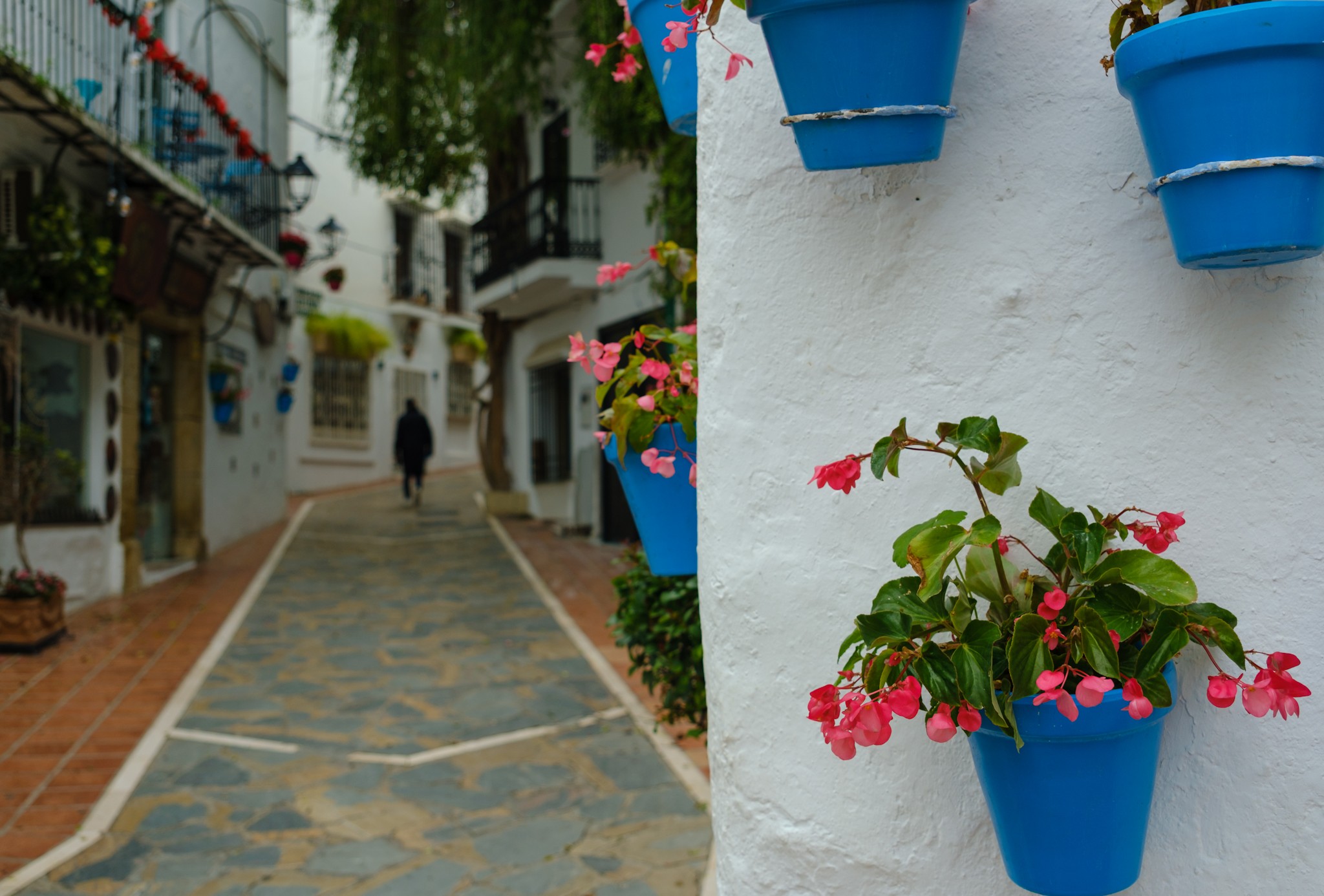
• Casco Antiguo — the historic centre of Marbella and easily the most pleasant part of the city. Whitewashed streets, orange trees, flower-filled balconies and small plazas create a much more traditional Andalusian atmosphere than many people expect before arriving. While Marbella is globally associated with luxury tourism, the old town still preserves quieter corners that feel surprisingly authentic early in the morning or later in the evening.
• Plaza de los Naranjos — the symbolic heart of Marbella’s old town and one of the most beautiful squares on the Costa del Sol. Surrounded by restaurants, cafés and historic buildings, the plaza feels calmer and more elegant than the larger tourist-heavy areas near the coast. Orange trees provide shade throughout the square and create one of the most recognisable images of Marbella.
• Marbella Promenade (Paseo Marítimo) — a long seafront walk connecting beaches, restaurants and residential areas across much of the coastline. Unlike the denser atmosphere of Málaga, Marbella’s promenade feels more spacious and resort-oriented. Sunset walks here are particularly enjoyable because of the combination of sea views, palm trees and mountain backdrops.
• Alameda Park — a small but attractive green space near the seafront filled with fountains, tiled benches and tropical vegetation. It functions as a transition area between the old town and the promenade and offers a quieter break from the busier coastal sections.
• Puerto Banús — one of the most famous marinas in Europe and the centre of Marbella’s luxury image. Expensive yachts, designer stores, sports cars and upscale restaurants dominate the area. Some travellers love the spectacle and energy while others find it excessively commercial. Even if you are not interested in luxury shopping, Puerto Banús is worth seeing at least once because of how strongly it defines Marbella’s international reputation.
• Beaches Around Marbella — Marbella offers long stretches of accessible beaches ranging from busier urban sections to calmer areas slightly outside the centre. While the beaches themselves are not as dramatic as Nerja or as wild as Tarifa, they work well for relaxed days mixed into a longer Andalusia road trip.
• Avenida del Mar — a pedestrian avenue connecting the old town to the sea and known for its sculptures by Salvador Dalí. The open-air art installations combined with palm trees and coastal light create one of the more visually distinctive urban walks in Marbella.
ROUTE 3 — BEACH + SLOW VERSION
Seville → Cádiz → Bolonia → Tarifa → Estepona → Málaga → Nerja
7–10 days | low-medium intensity | slow travel / reset trip
Route Logic
This is not a sightseeing route — it is a rhythm shift.
• Seville → cultural entry point
• Cádiz → first slowdown
• Bolonia → Atlantic pause (raw landscape)
• Tarifa → wind, emptiness, horizon thinking
• Estepona → soft Mediterranean transition
• Málaga → urban re-entry
• Nerja → final balance point
Seville, Cádiz, Málaga, Nerja sections from Route 1 apply.
BOLONIA
Top Sights
Baelo Claudia Roman Ruins — one of the most impressive archaeological sites in southern Spain and surprisingly underrated compared to more famous Andalusian attractions. The ruins sit directly next to the Atlantic Ocean, creating a unique combination of Roman history and coastal landscape. You can still clearly distinguish the forum, temples, market area and old streets, which makes the site feel unusually accessible even for people not deeply interested in archaeology. The museum nearby adds historical context without becoming overwhelming. Considering the quality of the site, the fact that entry is free feels almost absurd.
• Bolonia Dune (Duna de Bolonia) — the enormous sand dune dominating the western side of the beach. Climbing is slightly tiring because of the loose sand, but the panoramic Atlantic views from the top are worth the effort. The combination of pine forest, dunes and ocean creates a landscape that feels very different from the Mediterranean coast around Málaga or Nerja. Wind constantly reshapes the dune, giving the area a rawer and more natural atmosphere.
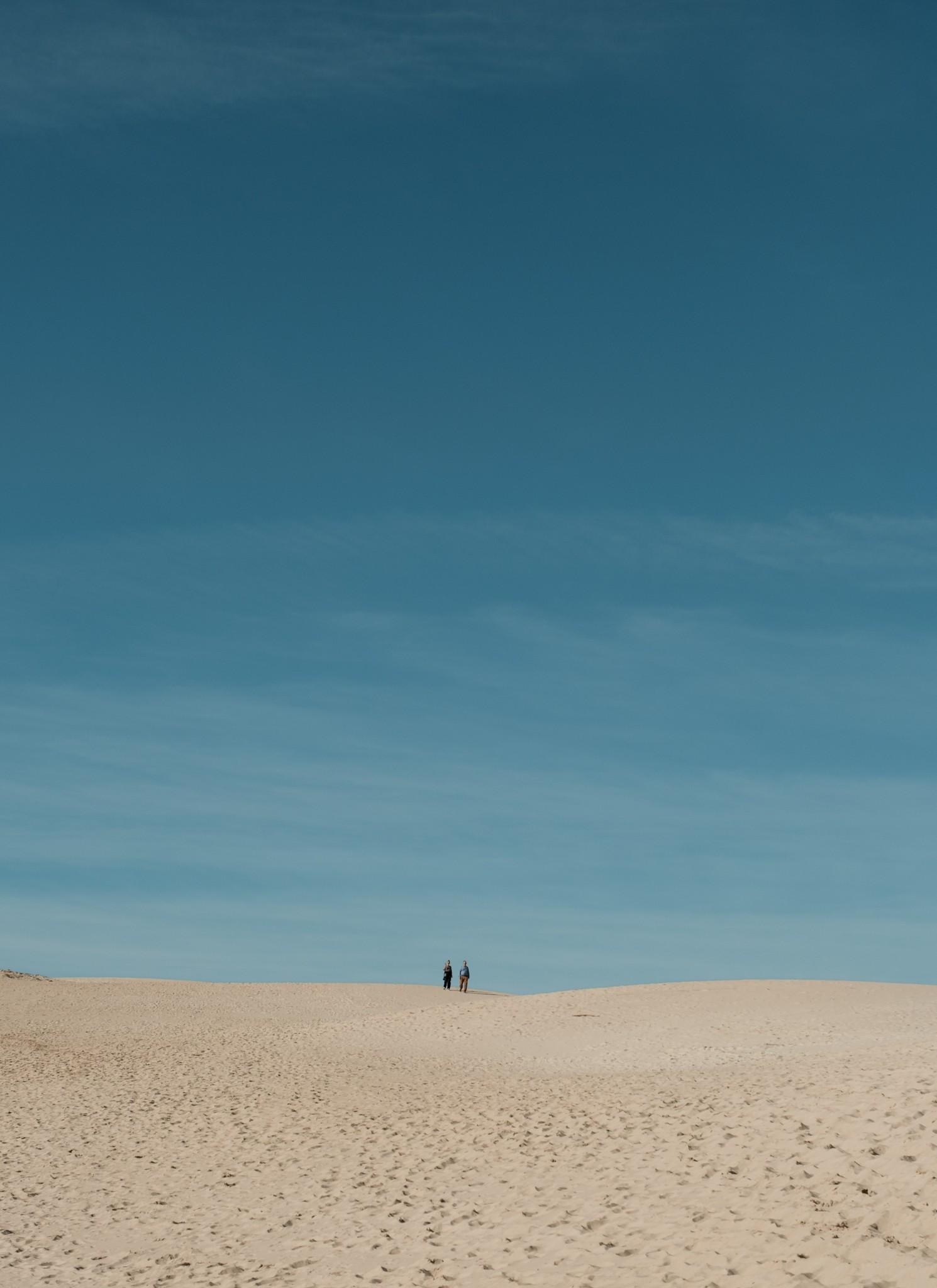
• Bolonia Beach — widely considered one of the best beaches in Andalusia and possibly the most natural-looking major beach in southern Spain. There are no large resorts, no massive promenade and almost no urban development directly on the sand. Instead, Bolonia feels wild, open and exposed to Atlantic weather. On windy days the sea becomes dramatic and powerful, while calmer days create long stretches of clear turquoise water. The scale of the beach itself also prevents it from feeling overcrowded.
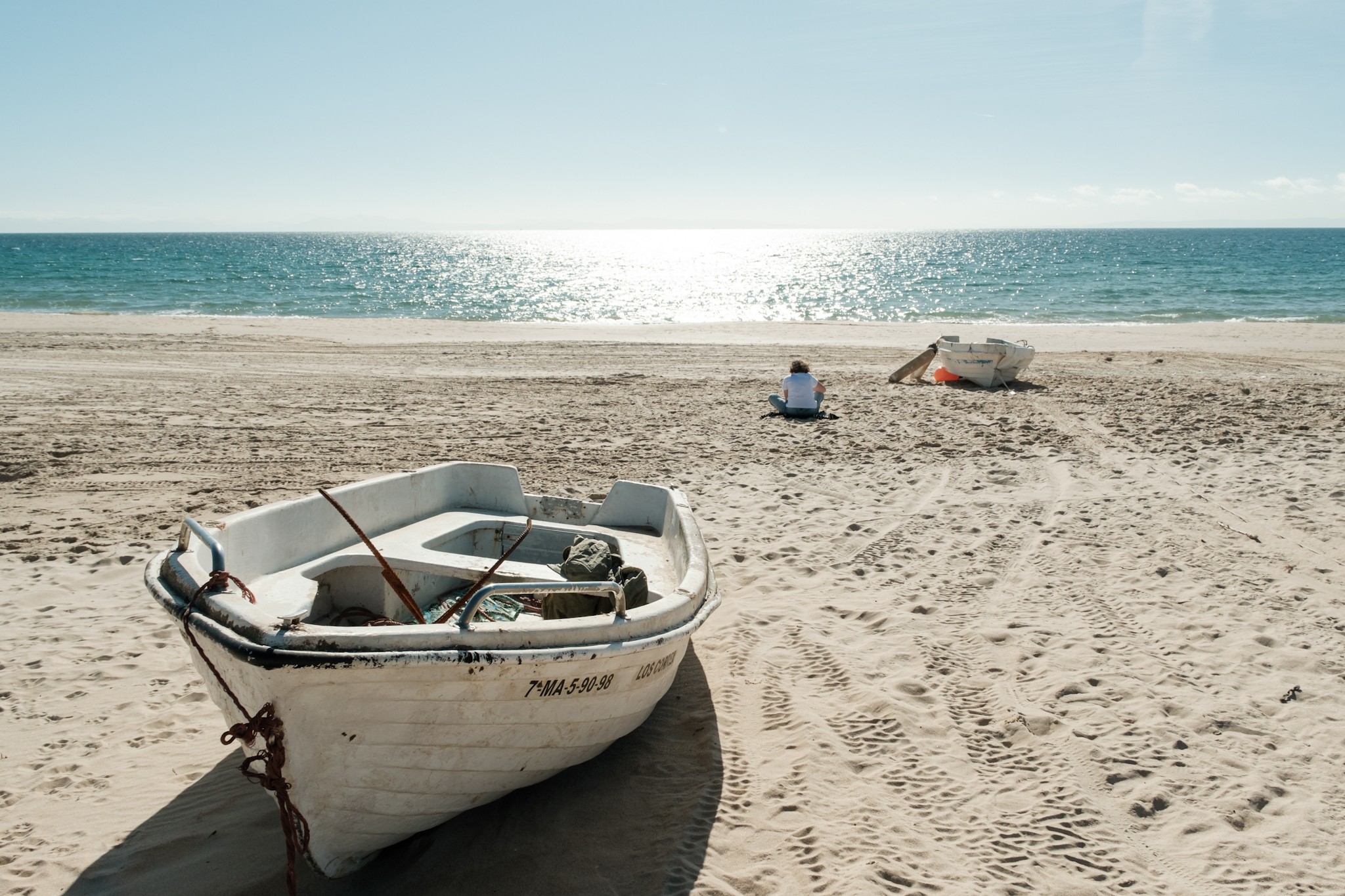
• Ensenada de Bolonia — the bay area surrounding the beach, especially beautiful during calmer weather conditions. Unlike the heavily urbanized Costa del Sol coastline, this part of Cádiz province still feels relatively untouched. The bay combines Atlantic light, moving dunes and distant mountain scenery into one of the most visually balanced coastal landscapes in Andalusia.
• Atlantic Atmosphere — one of the reasons Bolonia feels special is because it does not resemble the stereotypical southern Spain beach destination. The Atlantic changes everything: the wind, the colors, the waves and the overall mood. The landscape feels harsher, more open and more dramatic than the Mediterranean side of Andalusia. This difference becomes especially noticeable if you arrive after spending time around Málaga or Marbella.
Bolonia has almost no infrastructure — a few restaurants and a small car park. Come for the day or half-day from Tarifa (20 min). This is not a base, it is a detour worth making.
SWAP RULE: Cádiz ↔ Tarifa — slow urban calm vs wild Atlantic energy
TARIFA
Top Sights
• Punta de Tarifa — the southernmost point of continental Europe and one of the most symbolic places in Andalusia. From here, on clear days, you can easily see the mountains of Morocco across the Strait of Gibraltar. Standing between the Atlantic Ocean and the Mediterranean Sea creates a strange geographical sensation that few places in Europe can replicate. The atmosphere feels windy, exposed and almost transitional between continents.
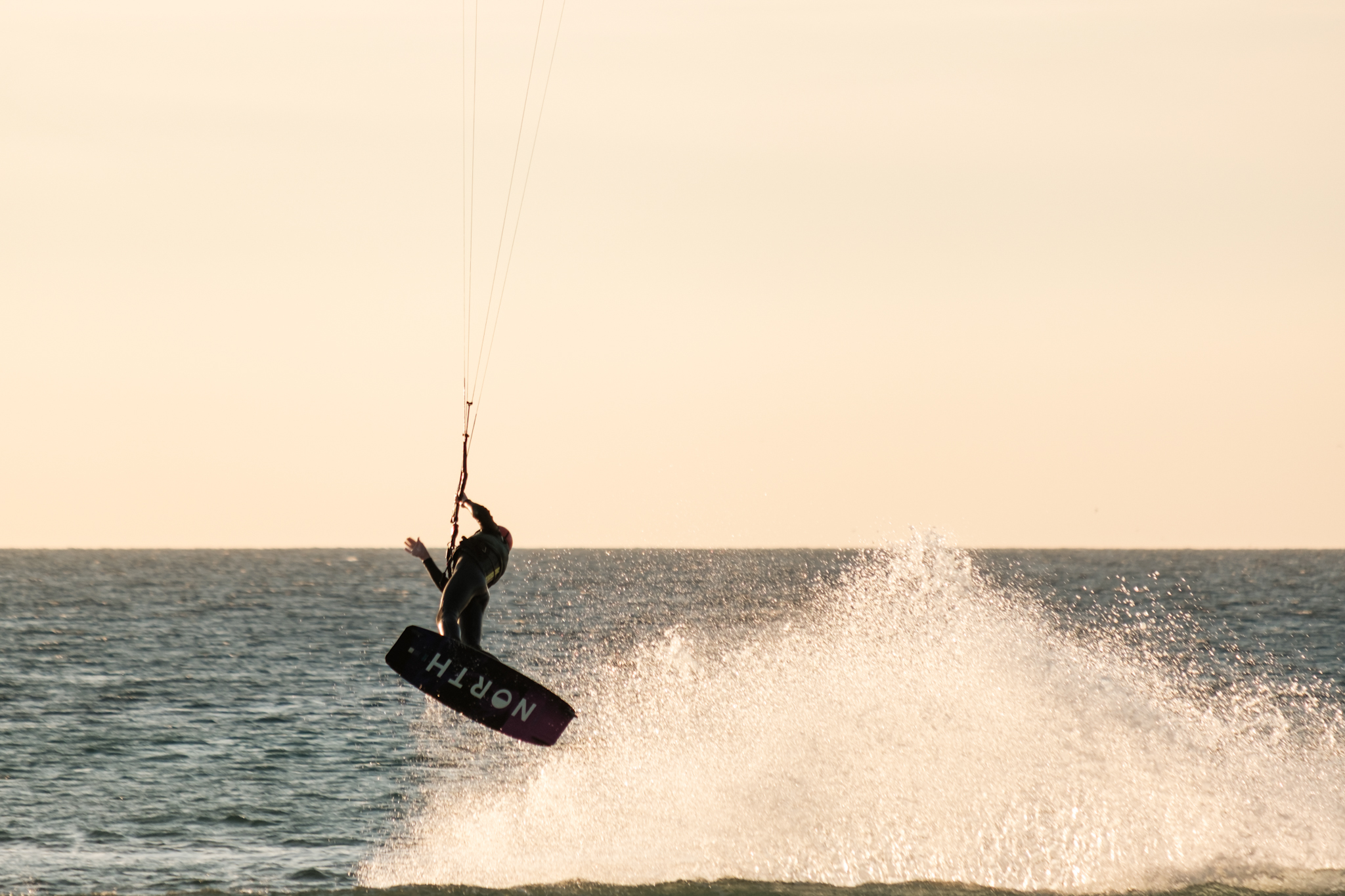
• Playa de Los Lances — the enormous beach stretching along Tarifa’s coastline and one of the main reasons the town became internationally famous among kitesurfers and windsurfers. The beach feels massive, wild and constantly shaped by the wind. Even if you do not practice watersports, watching hundreds of kites moving above the ocean creates one of the most visually dynamic coastal scenes in Spain.
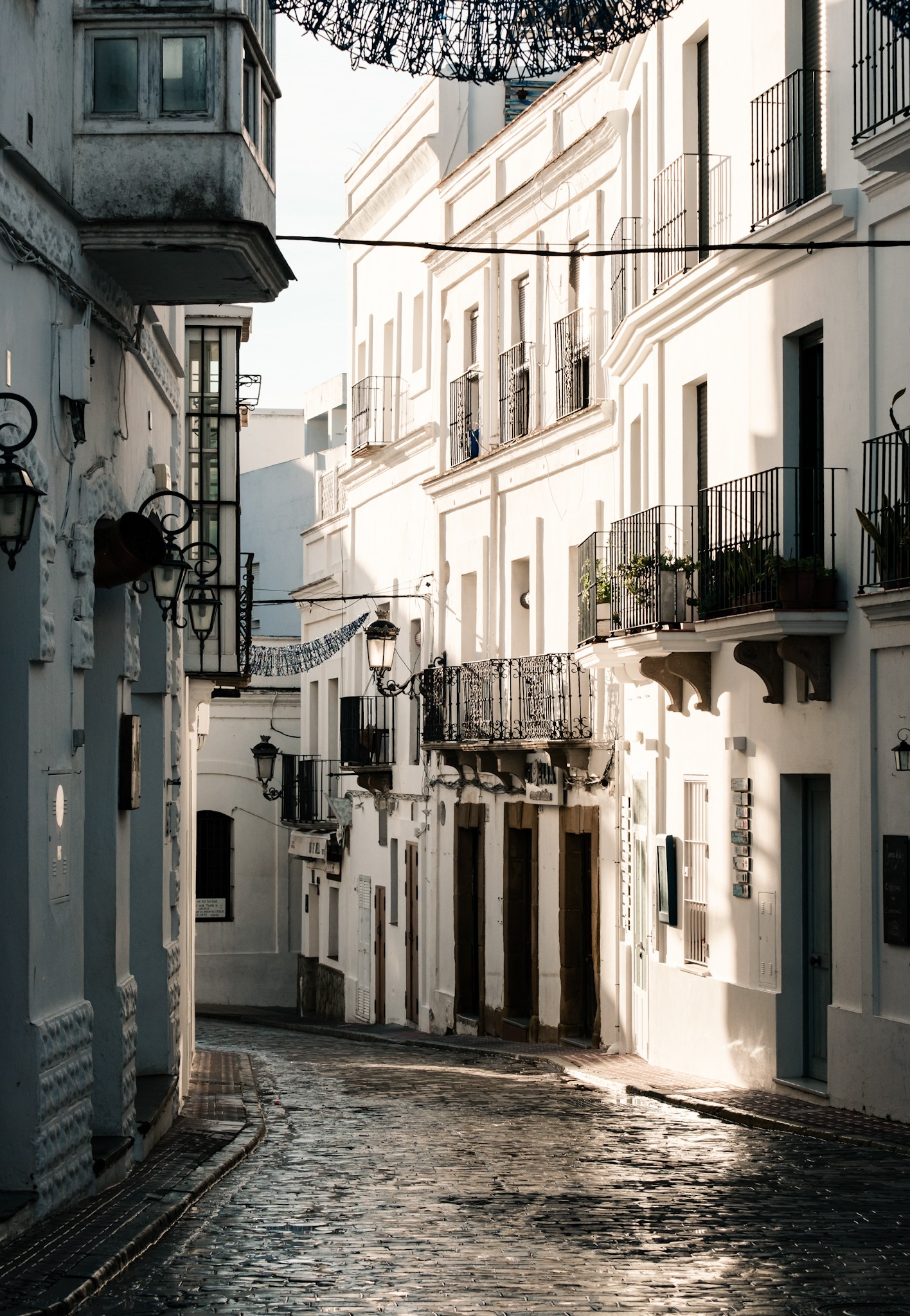
• Old Town of Tarifa — compact, whitewashed and surprisingly atmospheric, especially in the evening. Unlike resort-focused coastal towns, Tarifa’s centre still feels rooted in Andalusian history. Narrow streets, small plazas, cafés and old defensive walls create a relaxed but energetic atmosphere. The town attracts an international crowd, which gives it a slightly different feeling compared to more traditional Andalusian destinations.
• Castillo de Guzmán el Bueno — the medieval fortress overlooking the coast and one of Tarifa’s most important historical landmarks. Built during the Islamic period and later expanded by Christians, the castle reflects the strategic importance of Tarifa throughout centuries of conflict and trade between Europe and North Africa. The elevated views over the strait are excellent.
• Views Toward Africa — one of Tarifa’s defining characteristics. Morocco never feels abstract or distant here; it feels physically present across the water. On clear days the African coastline becomes sharp and detailed enough to completely transform the atmosphere of the town. Very few places in Europe offer such immediate visual proximity to another continent.
• Whale and Dolphin Watching Tours — Tarifa is one of the best places in Europe for marine wildlife excursions because of its position between the Atlantic and Mediterranean. Depending on the season, tours may encounter dolphins, pilot whales and even orcas. The strait’s geography creates unusually rich marine conditions.
• Wind and Surf Culture — Tarifa is deeply shaped by wind. Some people fall in love with the raw Atlantic energy while others find the constant wind exhausting after several days. The surf culture influences cafés, shops, fashion and the overall atmosphere of the town. Compared to calmer destinations like Cádiz, Tarifa feels younger, more active and more internationally oriented.
Tarifa didn’t impress immediately. But sitting on a bench eating pastries with Africa on the horizon, catching one of the best sunsets in Andalusia, long grey beach days after weeks on the road — it grows on you more than you expect.
SWAP RULE: Estepona ↔ Nerja — quiet modern coast vs dramatic cliffs
ESTEPONA
Top Sights
• Casco Antiguo — the historic centre of Estepona and one of the most pleasant old towns on the Costa del Sol. Unlike Marbella, which often feels more luxury-oriented and crowded, Estepona’s centre remains calmer and more relaxed. Whitewashed streets filled with flower pots, small plazas and pedestrian alleys create an atmosphere that feels genuinely Andalusian despite the town’s modern coastal development. It is especially enjoyable early in the morning or during evening walks.
• Plaza de las Flores — the small central square that acts as the social heart of the old town. Cafés, trees and surrounding white buildings create one of the most photogenic corners of Estepona. While not monumental, the square perfectly captures the slower rhythm that differentiates Estepona from more hectic coastal resorts.
• Estepona Cathedral (Church of Los Remedios) — a modest but elegant church located near the centre of town. It does not compete with the grand cathedrals of Seville or Córdoba, but it fits naturally into Estepona’s quieter atmosphere. The surrounding streets and small plazas help make this area one of the most pleasant sections of the old town to explore slowly.
• Orchidarium — one of the most unusual attractions on the Costa del Sol and surprisingly impressive even for travellers not particularly interested in botanical gardens. The modern structure contains thousands of orchid species, waterfalls and tropical vegetation beneath large glass domes. It feels very different from the rest of the city and works especially well as a quieter stop during hotter afternoons.
• Estepona Promenade (Paseo Marítimo) — a long and comfortable seafront walk stretching alongside the beaches. Unlike some parts of the Costa del Sol that feel heavily commercialised, Estepona’s promenade remains relatively balanced and relaxed. Sunset walks here are especially pleasant because the mountains behind the town begin catching warm light while the sea remains visible almost everywhere.
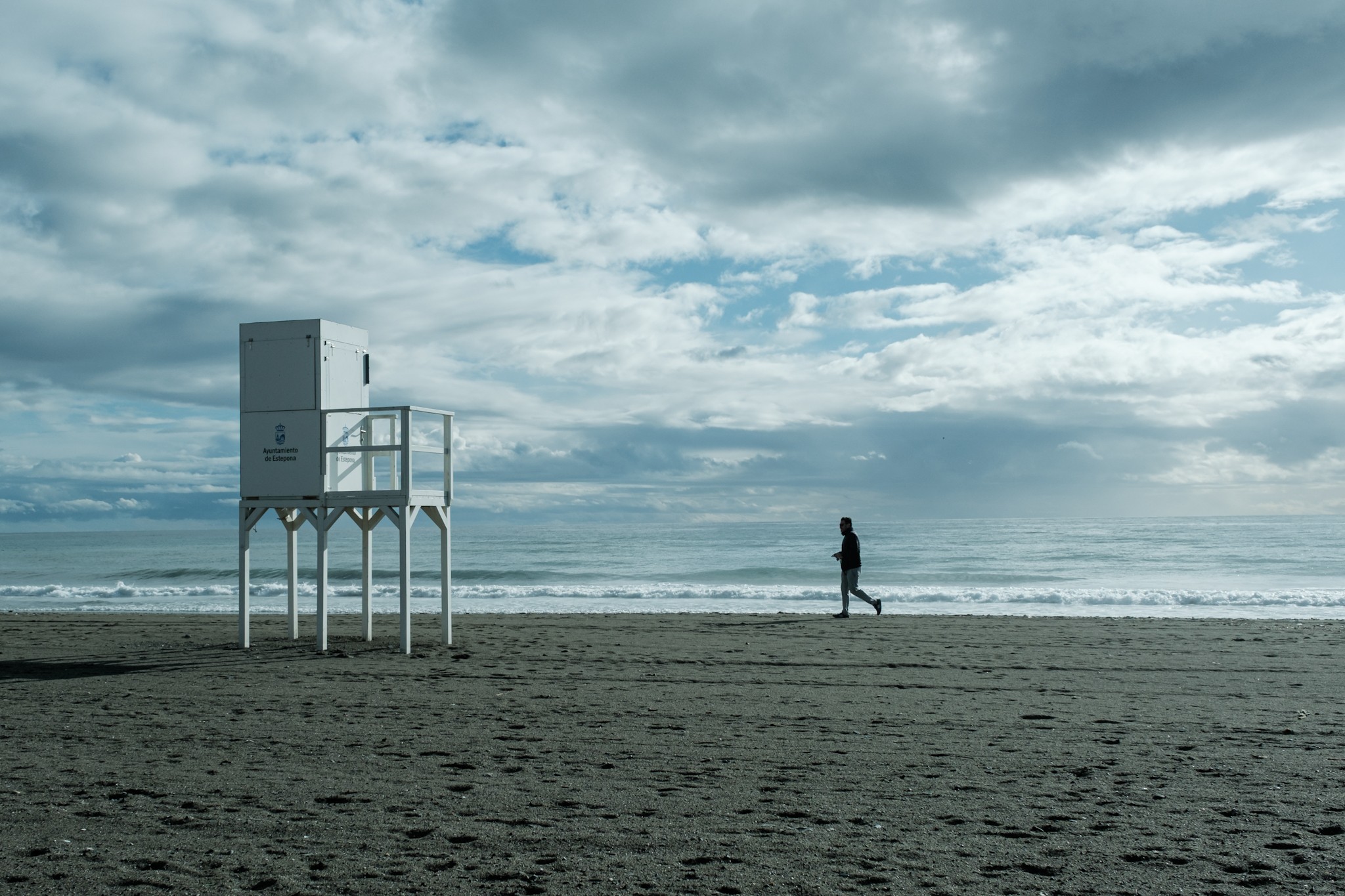
Estepona works better as a base than as a destination. Easy to reach from Marbella, comfortable, and well positioned for nearby trips. Don’t expect Seville-level density of things to do — but as a place to settle and breathe, it delivers. Even in winter it was busier than expected.
SWAP RULE: Estepona ↔ Nerja — choose your coastal ending
PRACTICAL NOTES FOR ALL ROUTES
Car Rental
Recommended for any itinerary beyond the Big Five. A small car (Citroën C3 class) is ideal — easy to park in narrow Andalusian streets, comfortable enough for 10+ days. Full insurance is worth paying for. Budget approximately €700 for 22 days all-in.
Parking
Expensive across the board. Budget €15–20/day and factor it into your total cost. In larger cities like Málaga and Granada, parking adds up significantly over a longer trip.
Alhambra Tickets
Book months in advance. Seriously. At the January 2026 visit, tickets were available only at 12:30 after booking in November. Build your itinerary around ticket availability, not the other way around.
Caminito del Rey
Individual tickets sell out fast. If you can’t get them, guided tours are a good fallback — but also book those well in advance.
Picasso Museum (Málaga)
Buying a Málaga Pass is the most reliable way to get in without the sold-out problem. Email the museum in advance to confirm entry conditions.
Day Counts
Arrival day and departure day don’t count as full sightseeing days. A 7-day trip realistically gives you 5 full days. A 10-day trip gives you 8. Plan accordingly — Andalusia is not a place you want to rush.
Winter Travel
Many restaurants, shops, and attractions operate on reduced schedules or close entirely in December–January. Semana Santa (March/April) is the opposite — everything is open, but crowds are significant and prices rise. Book everything well in advance.
In the end
Three routes, 30 pages, 7300+ words and this is just scratching the top.
Andalusia is an amazing region, a large region that will satisfy your curiosity for culture, beaches, adventure, food, etc.
I have been in Andalusia three times and over 40 days of travel and I still feel like there are many places I missed.
What I want you to take from these three route articles is not necessarily the exact route but rather the logic, the things you identify with and from there you could start building your own route.
No Comments